

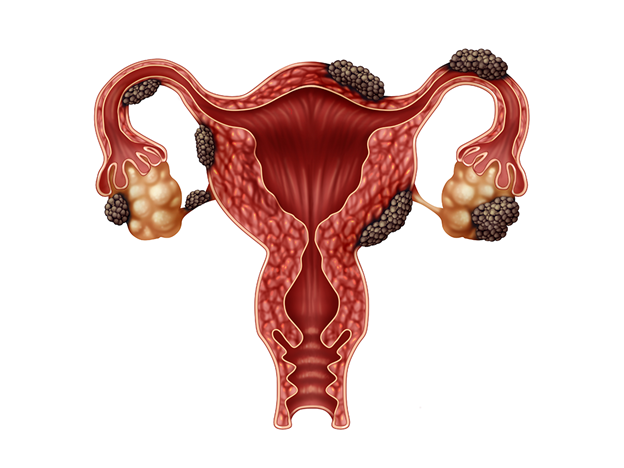
If only Endometriosis followed a predictable pattern, one clear set of symptoms, easily diagnosed and effectively treated. But this condition is as intricate as it is relentless. While some experience only mild discomfort, others endure excruciating pain, infertility, nerve damage, and a profound reshaping of their daily lives.
These variations, known as phenotypes, refer to the different ways the condition presents itself, influencing symptoms, progression, and treatment responses.
The Main Types of Endometriosis
Endometriosis is commonly categorized into three main phenotypes: Superficial Peritoneal Endometriosis, Ovarian Endometriomas (Chocolate Cysts), Deep Infiltrating Endometriosis (DIE).
- Superficial Peritoneal Endometriosis – The most common type, where small lesions form on the thin lining inside the abdomen (peritoneum). It can cause pain and inflammation, but some people might not even realize they have it.
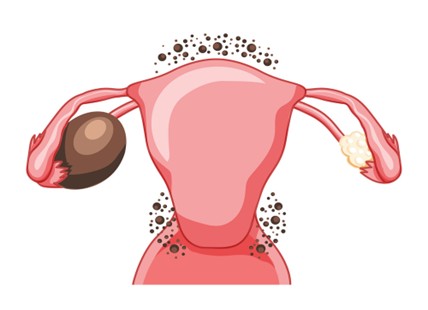
- Ovarian Endometriomas (Chocolate Cysts) – These are fluid-filled cysts that develop inside the ovaries. They get their name because of the thick, dark fluid inside. They can sometimes affect fertility and may cause discomfort, especially if they grow large.
- Deep Infiltrating Endometriosis (DIE) – This type grows deeper into tissues and organs like the bladder, bowels, or pelvic ligaments. It’s linked to more severe pain and symptoms, but with proper treatment, relief is possible.
Other Phenotypes of Endometriosis
Beyond the primary types, Endometriosis can manifest in less common but equally significant ways. These classifications are based on where the lesions grow and how they impact surrounding organs.
- Thoracic Endometriosis: In some cases, Endometriosis spreads beyond the pelvic region and affects the diaphragm or lungs. This can cause symptoms such as chest pain, shortness of breath, or coughing, especially around menstruation.
- Bladder Endometriosis: When Endometriosis grows on or inside the bladder, it can lead to discomfort while urinating, frequent urination, or even blood in the urine. These symptoms are often mistaken for urinary tract infections, delaying diagnosis.
- Sciatic Endometriosis: This type occurs when Endometriosis affects the sciatic nerve, leading to radiating pain in the lower back, hips, and legs. Some may experience numbness or weakness in the legs, which can worsen during their menstrual cycle.
- Umbilical Endometriosis: Although rare, some people develop Endometriotic lesions around the belly button. This can cause swelling, tenderness, or even slight bleeding from the navel, especially during menstruation.
- Molecular Subtypes of Endometriosis: Researchers have found that Endometriosis isn’t just about where it grows it also changes how genes and hormones function. These molecular differences affect inflammation, immune response, and hormone sensitivity. Identifying these unique markers could lead to non-invasive diagnosis and more targeted treatments that address the root causes rather than just symptoms.
Why Understanding Phenotypes Matters
Recognizing the different forms of Endometriosis helps doctors tailor treatments to individual needs. Each type may require a different medical approach, and getting the right diagnosis can make a huge difference in managing symptoms. While Endometriosis can be complex, research is continuously uncovering new ways to improve treatment and quality of life.
If you’re experiencing unexplained symptoms, seeking medical advice can help you take control of your health and find the relief you deserve.